



fullbody harness
KSh5,000.00
-
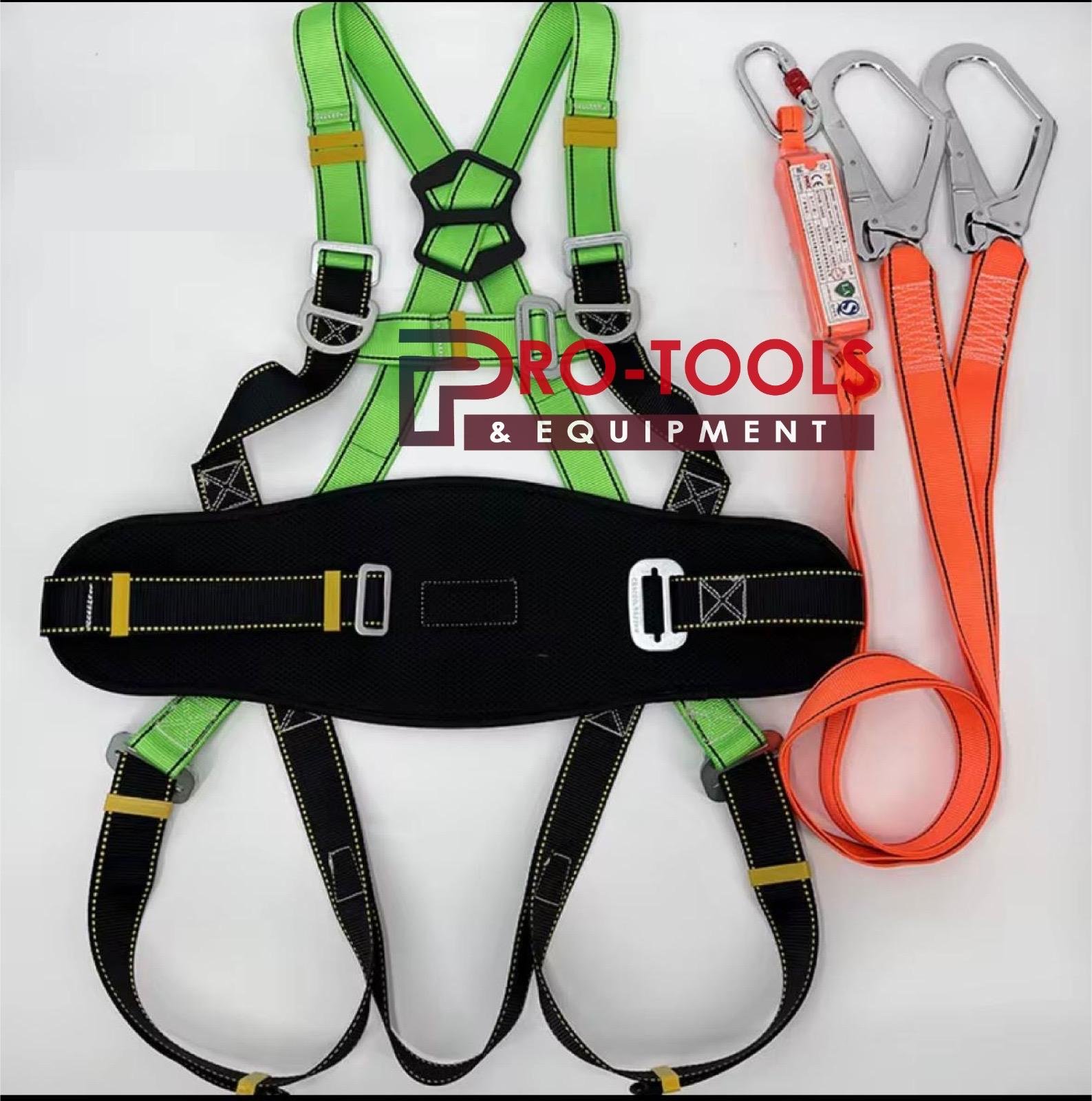
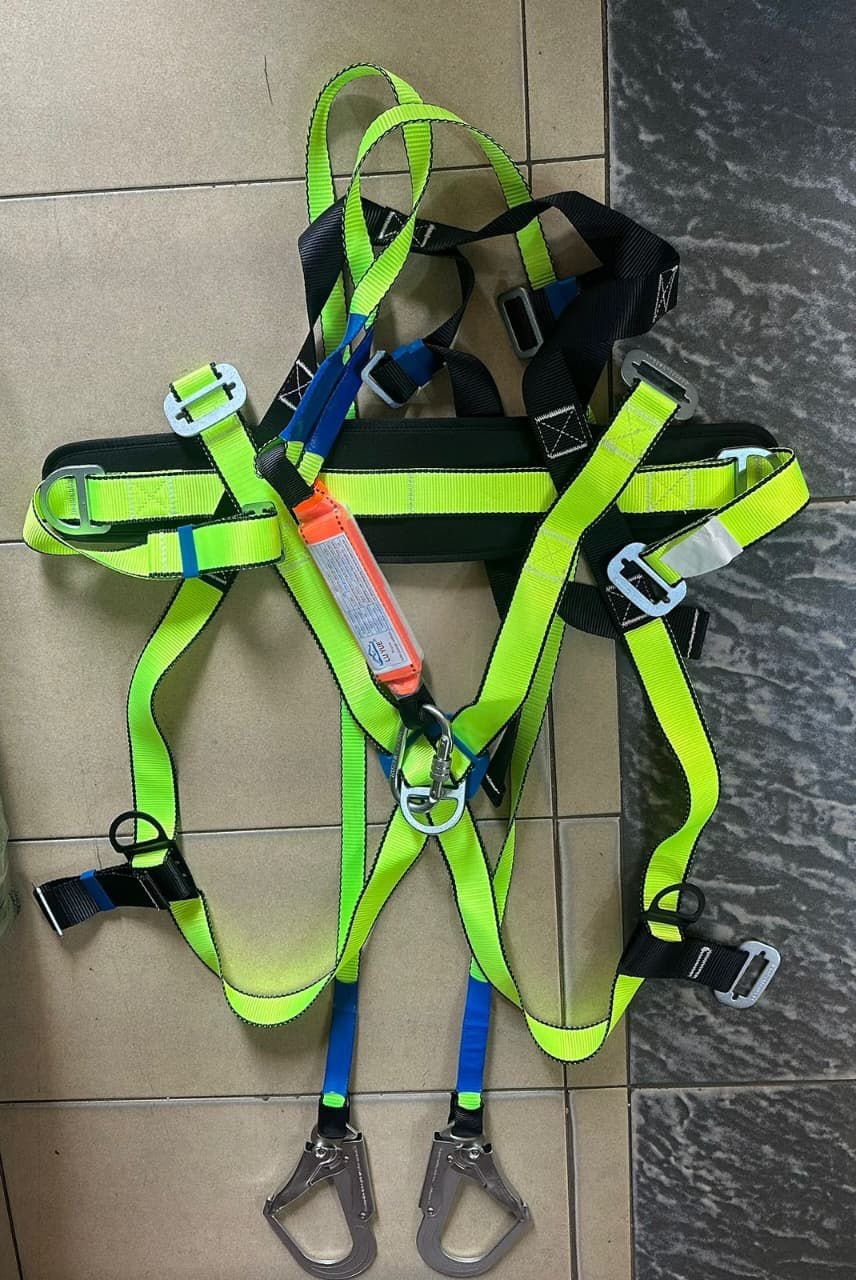
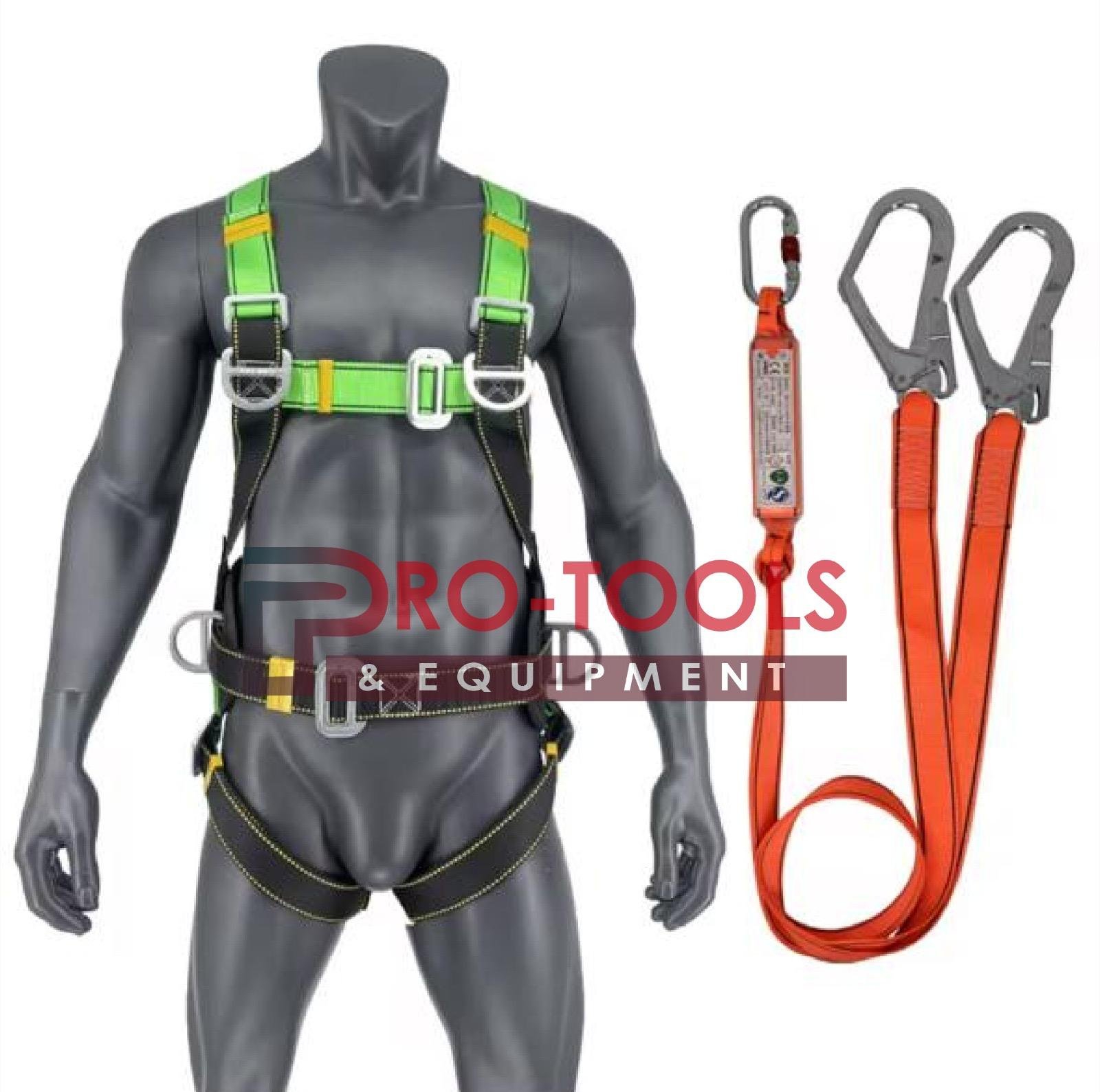
Dorsal D-Ring (Back): The main connection point used strictly for fall arrest; keeps you upright after a fall.
-
Sternal D-Ring (Chest): Used for ladder climbing systems and controlled rescue/descent.
-
Side D-Rings (Hips): Used for work positioning to keep your hands free; never used to stop a fall.
-
Shoulder D-Rings: Used exclusively for confined space retrieval (hoisting straight up out of tight spaces).
-
Synthetic Webbing: High-tensile polyester or nylon straps designed to absorb shock and resist tearing, chemicals, or UV damage.
-
Sub-Pelvic Strap: Sits under the hips to take the brunt of impact force, keeping leg straps from riding up into the groin.
-
Adjustment Buckles: Slotted, tongue-belt, or quick-connect metal clips on the chest and legs to secure a custom, snug fit.
-
Contrasting Stitching: High-strength lock-stitching in a bright color (different from the webbing) so damage is instantly visible.
-
Suspension Trauma Straps: Deployable foot loops that allow a suspended worker to stand up and restore healthy blood flow while waiting for rescue.
-
Padded Liners: Moisture-wicking mesh pads on shoulders, waist, and thighs to reduce chafing and weight strain.
1. Webbing and Material Features
The “straps” of a harness are heavily engineered to withstand weather, UV exposure, and intense friction.
-
High-Tensile Synthetic Fibers: Typically made from Polyester or Nylon. Polyester is preferred for its resistance to chemicals and stretching, while Nylon offers more elasticity to help absorb initial shock.
-
Specialized Coatings: Premium harnesses feature specialized coatings. For example, polyurethane-coated webbing protects against oil, grease, and dirt, making the harness easy to wipe clean, while Nomex/Kevlar blends are used for welders and electricians to resist sparks and electric arcs.
-
Stitch Patterns: Critical load-bearing joints feature a “lock-stitch” pattern, usually sewn with a contrasting thread color (like bright yellow thread on black webbing). This allows safety inspectors to easily see if a single thread has frayed or snapped.
2. Hardware and Connection Features
The metal hardware on a harness is forged from high-strength steel or lightweight aluminum, rated to withstand a minimum breaking strength of 5,000 lbs (22.2 kN).
-
Buckle Types:
-
Pass-Through (Slotted): The simplest design where a male buckle slides through a female slot. Reliable, lightweight, but tedious to adjust daily.
-
Tongue Buckle: Functions exactly like a standard waist belt with grommet holes. Excellent for wet, muddy, or icy environments because it won’t jam.
-
Quick-Connect: Functions like a seatbelt or airline buckle. Once adjusted, you can snap it on and off in seconds.
-
-
D-Ring Functionality:
-
Dorsal (Back): The only D-ring approved for fall arrest (stopping a free fall). It ensures that after a fall, you hang upright, keeping your airway clear.
-
Sternal (Chest): Located on the breastbone. Ideal for ladder-climbing safety systems or controlled descent.
-
Side/Hip (Pair): Used for work positioning (e.g., tying off on a rebar wall so you can use both hands). Never use these to catch a fall.
-
Shoulder (Pair): Used strictly for confined space retrieval (vertical rescue from a manhole or vat).
-
3. Ergonomic and Comfort Features
Because workers wear these for 8 to 12 hours a day, modern harnesses include features to prevent fatigue and injury.
-
Sub-Pelvic Strap: A strap that passes directly underneath the hips. During a fall, it catches the brunt of your weight, preventing the leg straps from riding up into the groin.
-
Breathable Padding: Moisture-wicking mesh pads on the shoulders, back, and waist keep the harness from digging into your skin under load and reduce sweat buildup.
-
Trauma Straps: Small pouches attached to the hips. If suspended after a fall, the worker can deploy these straps, step into the loops, and stand up. This relieves the pressure of the leg loops on the femoral arteries, preventing suspension trauma (a life-threatening condition where blood pools in the legs, cutting off oxygen to the brain).
Safety Standards & Certification
A legitimate safety harness will always feature a permanently attached, protected label showing it complies with strict regulatory bodies:
-
OSHA 1926.502 / 1910.140: The legal standard in the US, mandating that the system limits maximum arresting force to 1,800 lbs on a worker.
-
ANSI Z359: The rigorous consensus standard governing manufacturing, testing, and geometric design of fall protection.
-
CE / EN 361: The European equivalent standard for the helmet
Related products



Full Body Harness
Original price was: KSh5,600.00.KSh5,000.00Current price is: KSh5,000.00.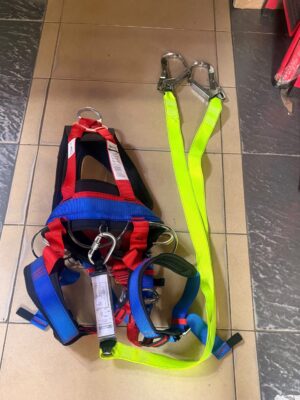

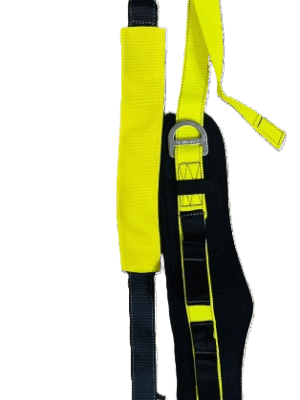
Full Body Harness
Original price was: KSh20,500.00.KSh20,000.00Current price is: KSh20,000.00.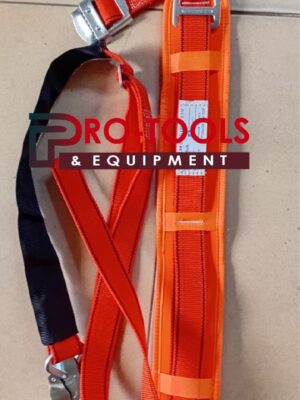

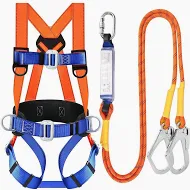
Plain Orange Safety Harness
Original price was: KSh4,500.00.KSh3,200.00Current price is: KSh3,200.00.



Reviews
There are no reviews yet.