
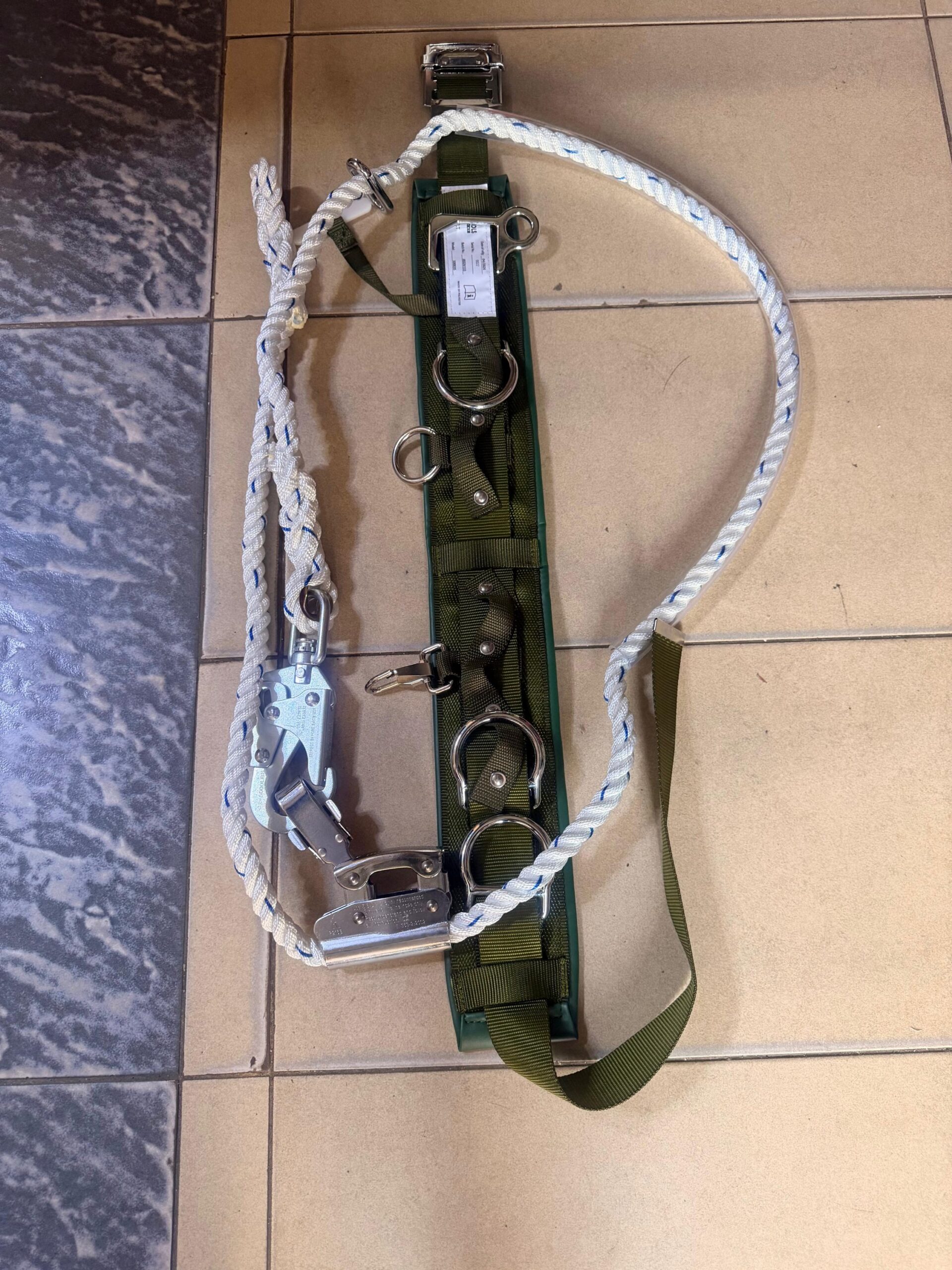


Half Safety Belt With Work Position
KSh6,000.00
-
Hands-Free Stability: Specially designed side D-rings allow easy connection to positioning lanyards, keeping your hands completely free to work while leaning back securely against the structure.
-
Ergonomic Lumbar Support: Features an extra-wide, heavily padded waist belt that provides exceptional lower back support and distributes weight evenly to reduce fatigue during extended use.
-
Heavy-Duty Hardware: Built with high-strength alloy steel D-rings and a robust pass-through buckle system to ensure maximum durability under constant work load.
-
Weather-Resistant Webbing: Constructed from premium, abrasion-resistant nylon/polyester webbing designed to withstand harsh outdoor elements, UV exposure, and heavy job site wear.
-
Multi-Industry Utility: The ideal restraint solution for utility linemen, arborists, tower climbers, and rebar construction workers requiring stationary structural support.
-
Tool Carrier Integration: Equipped with built-in tool loops and gear rings across the back padding, keeping your essential hand tools organized and easily accessible.
A half safety belt with work positioning (often referred to as a sit harness or a waist positioning belt) is a specialized piece of personal protective equipment (PPE). It is designed to hold a worker comfortably in place at an elevated work area, allowing them to work hands-free
Core Components
-
The Waist Belt: A wide, heavily padded belt that wraps around the lumbar region to distribute weight comfortably during long periods of tension.
-
Side D-Rings (Positioning Attachment Points): Located on both hips. These are specifically designed to connect a work positioning lanyard. They allow you to lean back against the belt while keeping your feet firmly planted on a structure.
-
Work Positioning Lanyard: A rope or webbing strap that connects from one side D-ring, loops around a secure anchor point (like a pole or tower structure), and clips back into the other side D-ring.
Key Applications
These belts are commonly used by professionals who need stability while working on vertical surfaces:
-
Telecommunications & Utility Linemen: Climbing wooden poles or steel utility towers.
-
Arborists & Tree Climbers: Maneuvering and maintaining balance high up in tree canopies.
-
Construction Workers: Working on rebar tying or formwork
Related products
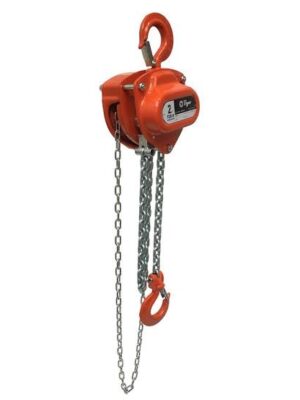
2 Ton Chain Block
Original price was: KSh13,600.00.KSh11,499.00Current price is: KSh11,499.00.

Full Body Harness
Original price was: KSh5,600.00.KSh5,000.00Current price is: KSh5,000.00.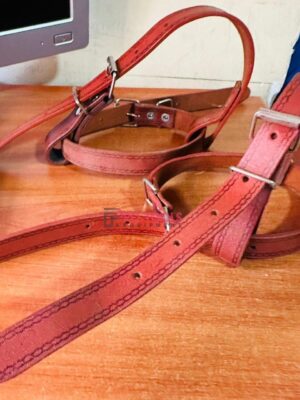
Leather Climbers Strap
Original price was: KSh1,200.00.KSh1,000.00Current price is: KSh1,000.00.

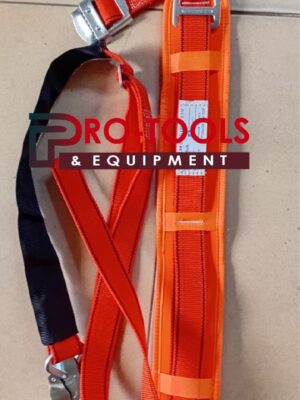
Orange Climbers strap
Original price was: KSh800.00.KSh500.00Current price is: KSh500.00.


Plain Orange Safety Harness
Original price was: KSh4,500.00.KSh3,200.00Current price is: KSh3,200.00.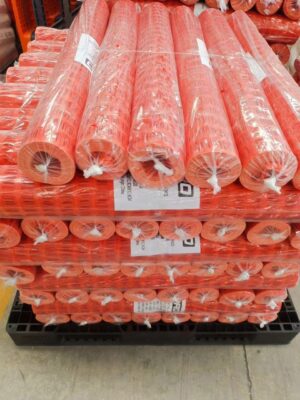
Safety Net 50meters
Original price was: KSh6,000.00.KSh4,000.00Current price is: KSh4,000.00.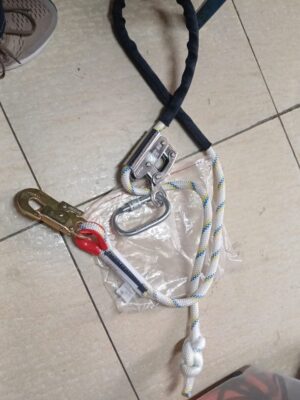
Reviews
There are no reviews yet.